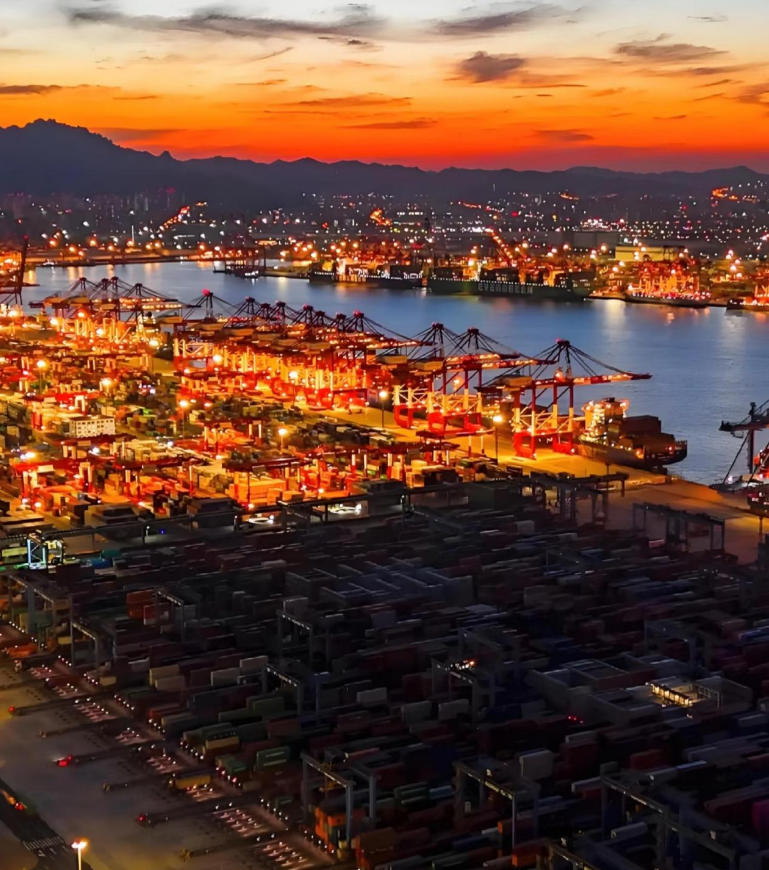
In the 1950s, Malcolm McLean, known as the "Father of Containerization," predicted: "The container will change the world and influence the lifeblood of global economic trade." Today, this prophecy has not only become a reality in global trade but has also opened new frontiers in the field of architecture. In this global transformation of container housing, China has become an undeniable force.
From Port Surplus to Temporary Spaces
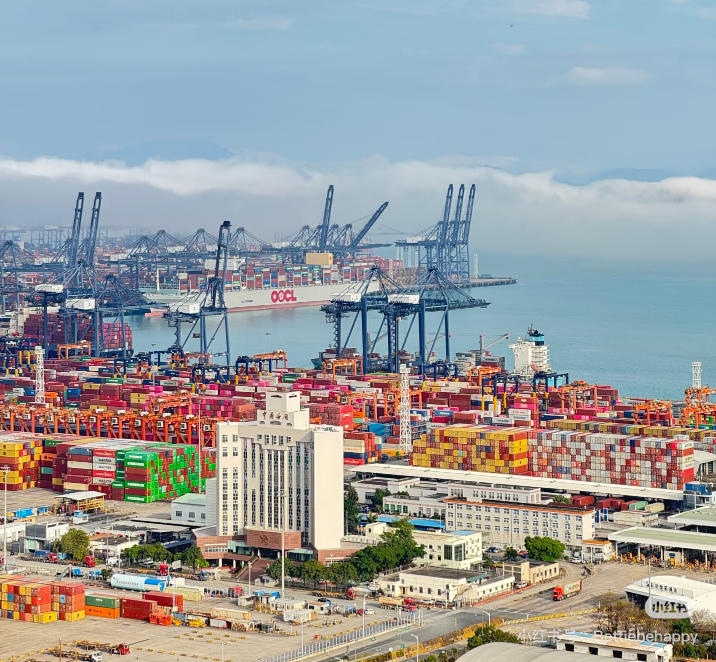
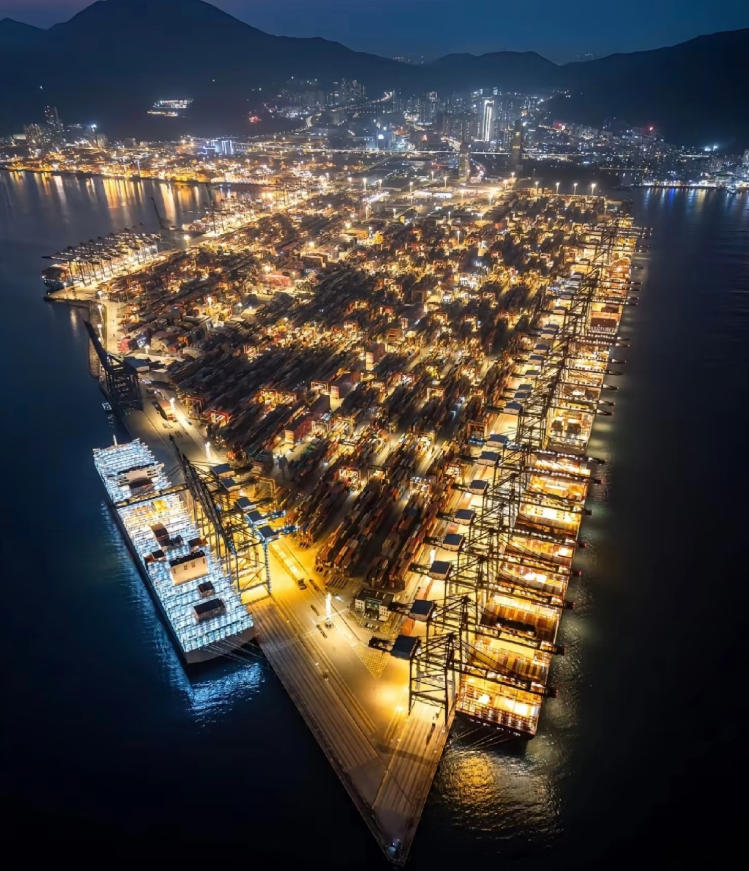
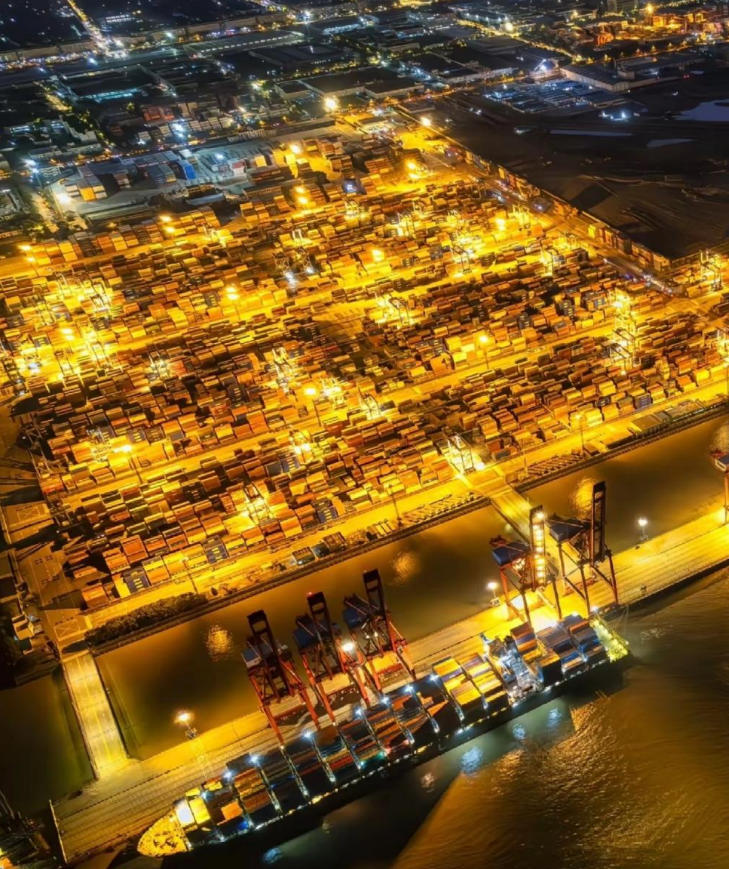
After 1978, as China's ports opened to the world, coastal cities like Shenzhen and Shanghai received a massive influx of international shipping containers. However, after completing their transport duties, many of these containers piled up in ports due to the high cost of empty returns, becoming a burden for companies.
Meanwhile, coastal industrial zones urgently needed low-cost temporary spaces. Enterprising entrepreneurs began using cutting tools to create doors and windows in containers, laying simple floors, and connecting water and electricity, transforming them into temporary dormitories and offices. Although insulation and soundproofing were poor, their advantages lay in low cost and rapid assembly.
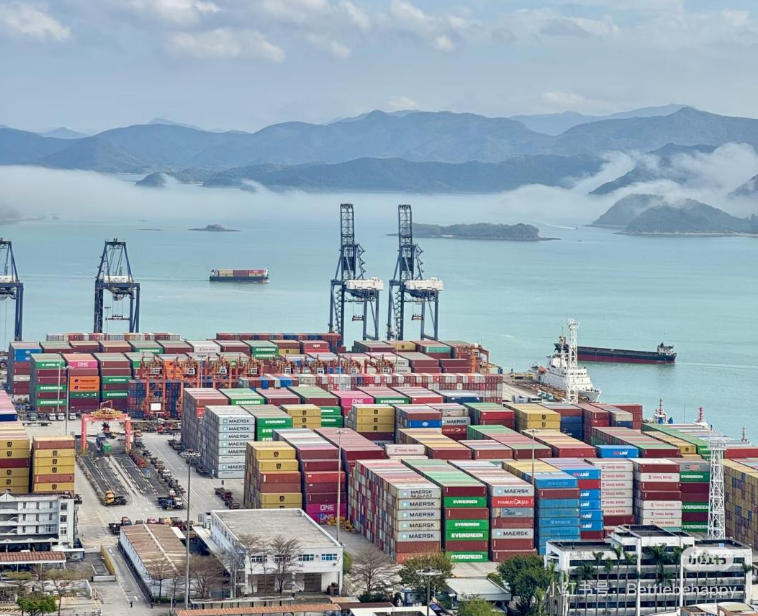
In 1985, the Yantian Port in Shenzhen converted over 20 idle containers into worker housing, putting them into use within a week—requiring no land acquisition or complex construction. This marked the beginning of container housing development in China.
From Temporary Structures to Permanent Solutions
After China joined the WTO in 2001, urbanization accelerated. The surging demand for construction worker accommodations, transitional housing for relocated residents, and temporary facilities for large-scale events spurred the first wave of scaled development for container houses.
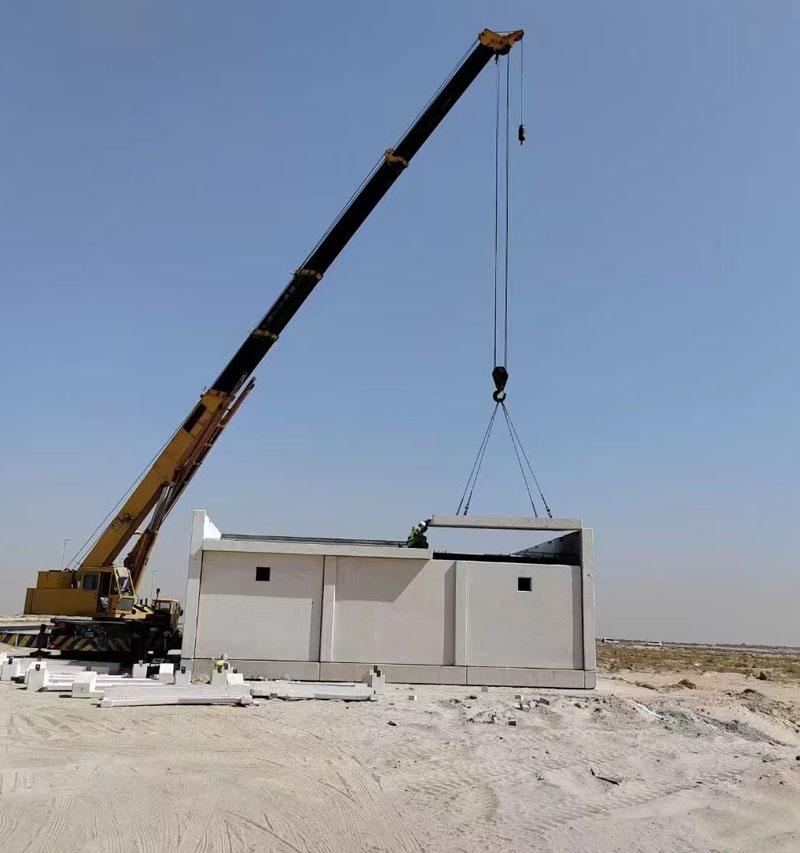
Companies moved beyond merely repurposing idle containers, beginning to use standardized steel to prefabricate modules, adding insulation layers inside, and introducing various types of container houses. During the 2008 Wenchuan earthquake, container relief housing units could be assembled in just 2 hours each. Designed with earthquake and fire resistance, they became a "rapid spatial solution" for post-disaster reconstruction.
At the 2010 Shanghai World Expo, around 500 container modules were used to build security booths, service stations, and other facilities. After the event, they were disassembled and recycled, perfectly illustrating the concept of "green building."
From Made in China to Created in China
In 2013, the State Council issued the *Green Building Action Plan*, explicitly promoting new-type building industrialization. Container houses, as a significant form of prefabricated construction, underwent a qualitative leap.
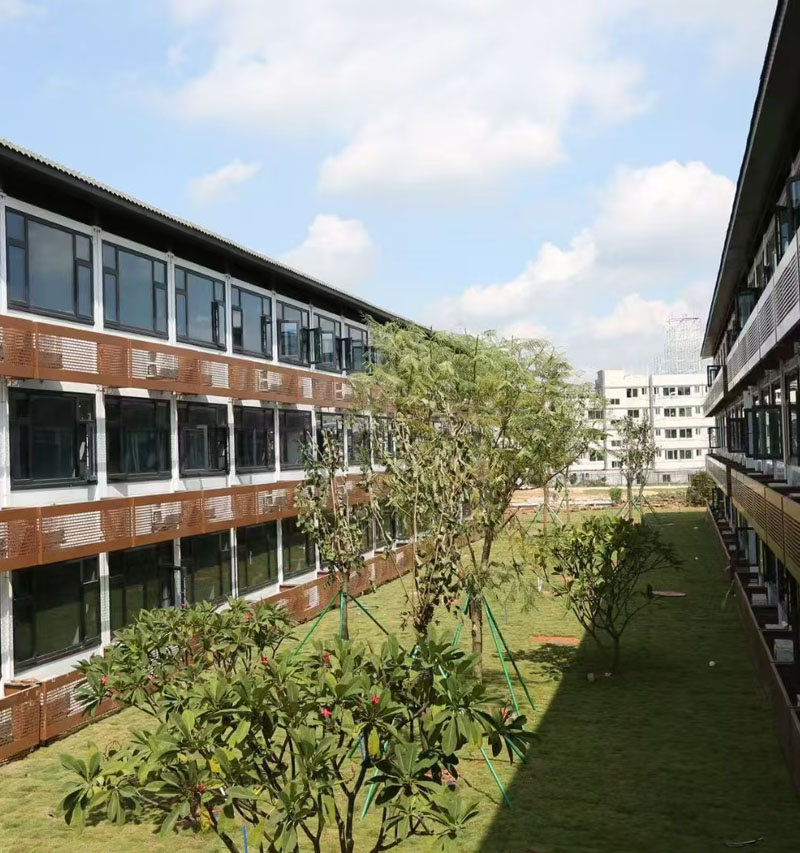
The industry established unified technical standards, and product forms completely broke through the limitations of being "temporary structures." In Nansha District, Guangzhou, the "Container Talent Apartments" used 120 modules to construct 300 housing units with independent kitchens and bathrooms, indistinguishable from traditional residential complexes, yet with a construction period halved.
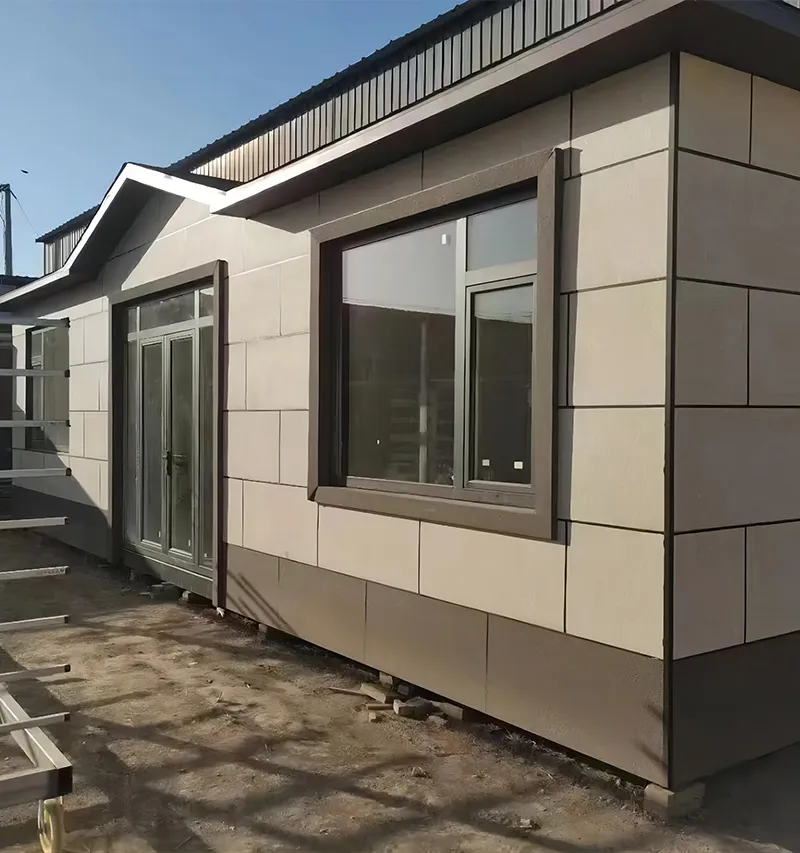
In rural areas like Moganshan, Zhejiang, and Dali, Yunnan, container homestays became "social media hotspots." Their detachable, relocatable nature perfectly aligns with the "light-asset" development needs of rural tourism.
As Chinese container houses achieved technological maturity and industrial accumulation, the door to the global market swung open.
The high-quality development of the Belt and Road Initiative, infrastructure construction in Southeast Asia, Africa, and the Middle East, disaster relief for events like the Turkey earthquake and Pakistan floods, and housing shortages coupled with environmental demands in Europe and South America—these diverse international needs align seamlessly with the mature technology, efficient production capacity, and customization capabilities of Chinese container houses.
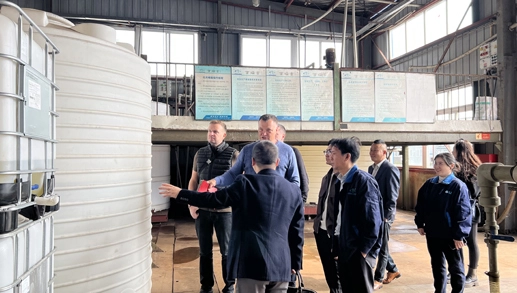
Our company is both a witness to and a driver of this wave of international expansion. As a professional manufacturer of container houses, our products have been exported to 57 countries worldwide. Whether it's temporary office areas on African construction sites, worker camps in Middle Eastern oil fields, distinctive homestays in Southeast Asian tourist zones, or emergency housing in European cities, our products are present.
The evolution of container houses bears witness to the upgrading journey of "Made in China." We will continue to uphold the principles of "green, efficient, and practical," sailing more high-quality container houses to the world, offering global users a truly valuable "Chinese Solution."
If you are looking for a reliable container house supplier, whether for construction sites, tourism facilities, emergency, or commercial spaces, we welcome you to contact us. Drawing on experience from over 2,000 projects, we will provide you with the most suitable container housing solution.