For instance, in the commercial sector, temporary exhibition halls, pop-up shops, and mobile food trucks have widely adopted container solutions. In the residential field, container architecture offers various options such as rapid emergency housing, student apartments, and eco-friendly homestays.
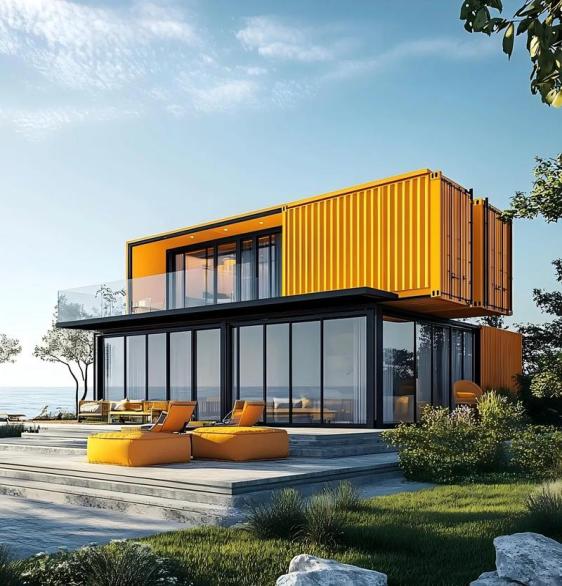
In recent years, container architecture has quickly become a rising star in the construction industry due to its flexibility, eco-friendliness, and cost-effectiveness. Its dual applications in commercial development and residential environments demonstrate broad market prospects. This article will provide a detailed analysis of how container architecture achieves a win-win outcome for both commercial and residential purposes, examining four aspects: market demand, technological innovation, practical cases, and future trends.
Market Demand: Driven by Flexibility and Efficiency
As urbanization accelerates, land resources become increasingly scarce, raising demands for space utilization. Container architecture, with its mobility and rapid construction features, perfectly meets modern society's needs for efficiency and flexibility. For example, in the commercial sector, temporary exhibition halls, pop-up shops, and mobile food trucks have widely adopted container solutions. In the residential field, container architecture offers various options such as rapid emergency housing, student apartments, and eco-friendly homestays.
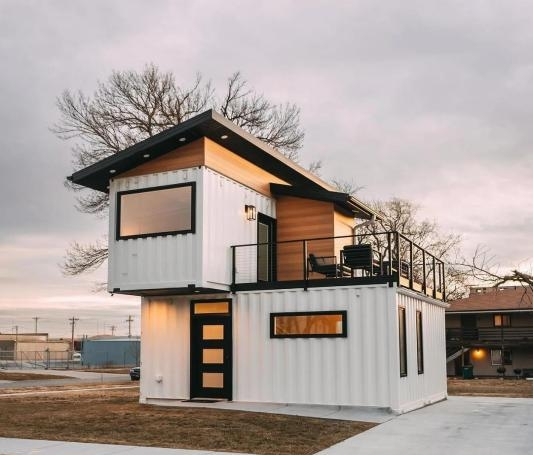
Technological Innovation: Enhancing Functionality and Comfort
Modern container architecture has broken through its traditional rugged and monotonous image through technological innovations. For instance, advancements in insulation and noise reduction technologies, using high-performance materials and smart systems, have significantly improved comfort. In design, the combination of modularity and customization allows container buildings to meet both the brand personalization needs of commercial uses and the aesthetic and practical expectations of residents. These technological applications open up more possibilities for the market.
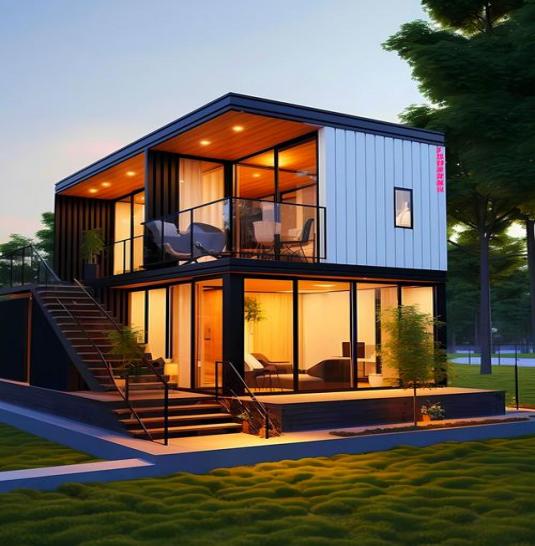
Future Trends: Driven by Policies and Market Forces
With national policy support for green building and sustainable development, the container architecture market is poised for a new wave of growth. Meanwhile, consumer preferences for unique designs and eco-friendly concepts will further drive development in this field. From a commercial perspective, container architecture can help businesses reduce operational costs, leading to higher returns on investment. From a residential perspective, it offers an innovative solution to housing challenges in rapidly urbanizing areas.