Prefabricated houses can last as long as traditional homes, often between 50 to 100 years, provided they are well-maintained. Their lifespan is not determined by their construction method but by the quality of materials, foundation, and ongoing upkeep, debunking the myth that they are inherently temporary structures.
You might think a prefab home's age is a simple number, but the real story is much more complex. Let's break down the factors that truly determine how long your prefabricated house will stand.
What Are The Different Types of Prefabricated Homes and Buildings?
I once confused a panelized home with a modular one, a common mistake. This confusion can lead to wrong assumptions about a home's potential lifespan and value.
The main types of prefabricated buildings are modular, panelized, and manufactured homes. Modular homes are built in sections in a factory and assembled on-site. Panelized homes use pre-made walls. Manufactured homes, once called mobile homes, are built on a steel chassis and are transportable.
Understanding the types of prefab steel homes is crucial, as their construction methods directly impact both their longevity and compliance with building codes.
A Deeper Look at Prefab Types and Durability
The type of steel prefabricated house you choose sets the baseline for its expected lifespan. This is not just about looks; it is about the fundamental rules that govern its construction.
Modular Homes: These modular concrete homes are built to the same local and state building codes as site-built homes. This means they must withstand the same wind, snow, and seismic loads. Their construction is incredibly robust to survive transportation to the site. I have seen modules lifted by cranes, a process that demands a strong internal structure. This inherent strength contributes to a long life, easily reaching 50+ years with proper care.
Panelized Homes: The durability here depends heavily on the on-site assembly and the quality of the sealants used to join the panels. A well-built panelized home can be as durable as a modular one. However, any weakness in the assembly can become a point of failure over time, like air or water infiltration.
Manufactured Homes: These are built to the federal HUD code, which is different from local building codes. While the standards have improved greatly since 1976, the fact that they are designed to be movable can influence their long-term durability. They are typically placed on rented land in communities or on private property, but not on permanent foundations like other home types, which can affect their lifespan.
| Prefab Type | Building Code | Foundation | Typical Lifespan Expectancy |
| Modular | Local/State Code (IRC) | Permanent | 50 - 100+ Years |
| Panelized | Local/State Code (IRC) | Permanent | 50 - 100+ Years |
| Manufactured | Federal HUD Code | Often Non-Permanent | 30 - 55+ Years |
What Factors Truly Influence the Longevity of Prefabricated Buildings?
I visited two identical prefab models from the same year. One was pristine; the other had roof and siding issues. The difference was not the house itself, but the care it received.
Key factors are the quality of the foundation, regular maintenance of the roof and siding, and control of moisture and pests. A permanent foundation is critical for structural integrity. Consistent upkeep is the single biggest factor in maximizing any home's lifespan, regardless of how it was built.
It is easy to blame the factory for problems, but the real secrets to a long life happen after the house is placed on your property.
Breaking Down the Longevity Equation
A prefab home's lifespan is a puzzle with several critical pieces. Ignoring just one can significantly shorten the life of your investment.
Foundation: This is the most important factor. A modular or panelized home must be placed on a permanent, poured concrete foundation, just like a site-built home. A manufactured home needs a robust, stable support system. A poor foundation leads to settling, cracks, and doors that won't close, causing endless structural issues.
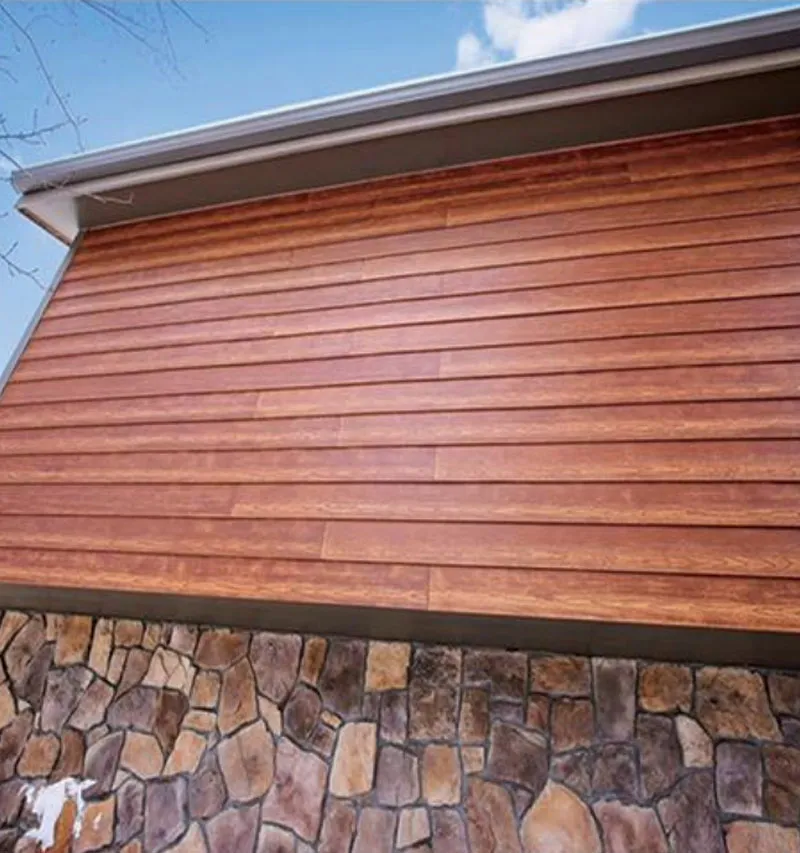
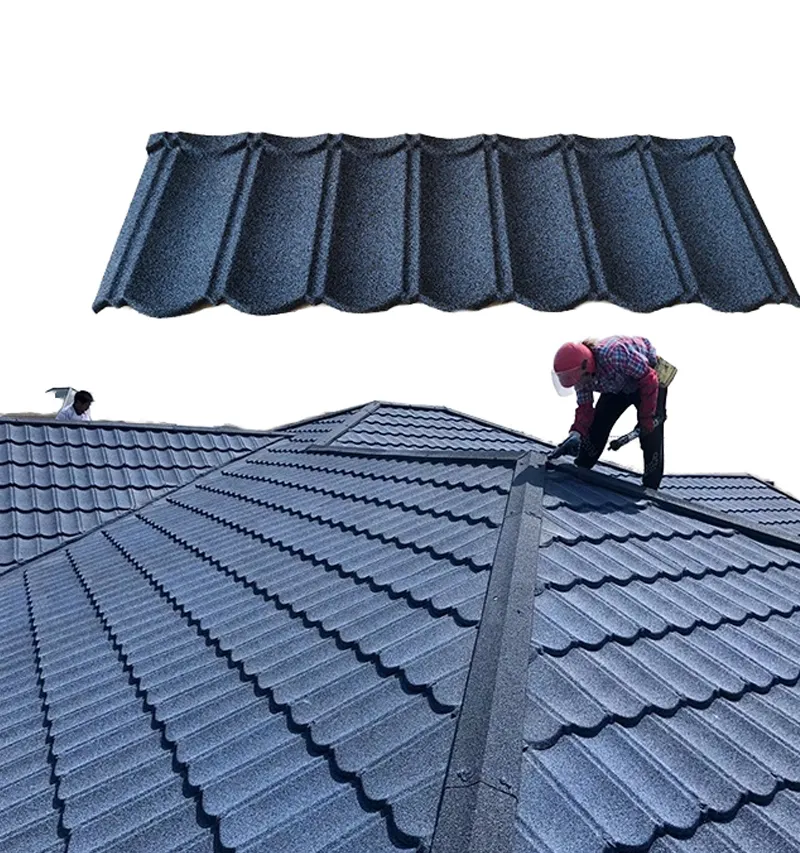
Maintenance Schedule: Prefab homes are not maintenance-free. You must be vigilant. Create a seasonal checklist. Inspect the roof for damaged shingles in the fall. Clean gutters to prevent water damage. Repaint siding and trim as needed to protect the underlying structure. I treat my home's exterior like a car; regular oil changes (maintenance) prevent engine failure (major repairs).
Moisture and Pest Control: Water is the enemy of all homes. Ensure the vapor barrier and insulation are correctly installed to prevent condensation inside walls. Check for leaks around windows and doors annually. Keep soil and mulch away from wooden siding to deter pests and prevent rot. Proper site drainage that directs water away from the foundation is non-negotiable.
| Factor | High Longevity (50+ Years) | Low Longevity (Under 50 Years) |
| Foundation | Permanent, poured concrete | Unstable, temporary piers, or poor preparation |
| Maintenance | Regular, proactive inspections and repairs | Reactive, only fixing problems when they are severe |
| Moisture Control | Proper drainage, sealed envelope, good ventilation | Poor drainage, leaks, internal condensation |
| Material Quality | High-grade, durable materials from a reputable manufacturer | Lower-grade, cost-cutting materials |
Lifespan Breakdown: Can a Prefab Home Last 30, 50, or 100+ Years?
My grandfather always said, "A house is only as old as its care." This wisdom holds especially true for prefabricated homes, where perception often lags behind reality.
Yes, a high-quality modular home on a permanent foundation can last 100 years. Most well-maintained modular and panelized homes comfortably reach 50 to 70 years. The 30-year figure often applies to older manufactured homes that have not received adequate upkeep or have been moved multiple times.
These numbers are not set in stone. They are a direct reflection of the choices made by the homeowner over decades.
Understanding the Realistic Timeline of a Prefab Home
Let's move beyond generalizations and look at what these lifespans mean in practical terms. The journey to 100 years starts with the first day of maintenance.
The 30-Year Mark: This is often a critical point for manufactured homes built before the 1990s. It is when systems like roofing, plumbing, and the original heating unit may need complete replacement. For a home on a poor foundation, structural issues may become too costly to repair. However, a modern HUD-code home with excellent care can far exceed this benchmark.
The 50-Year Horizon: This is a very achievable goal for a modular or panelized home. By this age, the home will have likely had its roof replaced twice and its siding once. The key is that the core structure—the frame, walls, and foundation—should still be sound. I have evaluated 50-year-old prefabs where the bones were as solid as the day they were set.
The 100-Year Legacy: Reaching a century requires a combination of initial quality and generational care. It means not just repairing, but thoughtfully upgrading. This includes re-insulating to modern standards, replacing all windows and doors for efficiency, and potentially updating the floor plan. The original structure serves as a durable shell for a home that evolves over time.
A prefabricated house is a durable, long-term home. Its lifespan depends entirely on the quality of its construction, its foundation, and, most importantly, the consistency of its maintenance.